
Conveying System Advances: China’s Role in Shaping Efficient Industrial Logistics
2026-05-13
As industrial logistics evolve, conveying systems are advancing rapidly—and China is driving much of that change. From smart manufacturing to streamlined supply chains, innovations in material handling are redefining efficiency. At the heart of this shift, Fanchang Machinery is delivering practical, high-performance solutions that keep production moving smoothly. In this post, we explore how Chinese engineering is reshaping conveying technology and what it means for the future of industrial logistics.
Streamlining Global Supply Chains with Next-Gen Conveyor Solutions
Modern supply chains are under constant pressure to move goods faster and with fewer errors, yet traditional conveyor systems often buckle under such demands. Next-generation conveyor solutions step into this gap by weaving together lightweight, modular components with intelligent routing algorithms. This allows warehouses and distribution centers to reconfigure layouts in hours, not days, adapting instantly to shifts in product lines or seasonal spikes.
What truly sets these systems apart is their embedded sensing and edge computing capabilities. Rather than relying on centralized controls, each conveyor segment monitors its own health—tracking motor vibrations, belt tension, and thermal changes—to predict failures before they halt operations. This self-awareness extends to load balancing, where parcels are dynamically diverted around congested zones, slashing bottlenecks that once rippled across continents.
The ripple effect on global logistics is tangible: one multinational manufacturer cut transit delays by 30% simply by replacing legacy rollers with auto-calibrating conveyors that communicate with robotic pickers. Beyond speed, these innovations reduce energy consumption through on-demand power activation, aligning operational efficiency with sustainability goals. In a world where customer expectations are measured in hours, such upgrades are no longer optional—they are the scaffolding of resilient supply chains.
Automation on the Rise: How Smart Conveyors Cut Costs and Boost Throughput
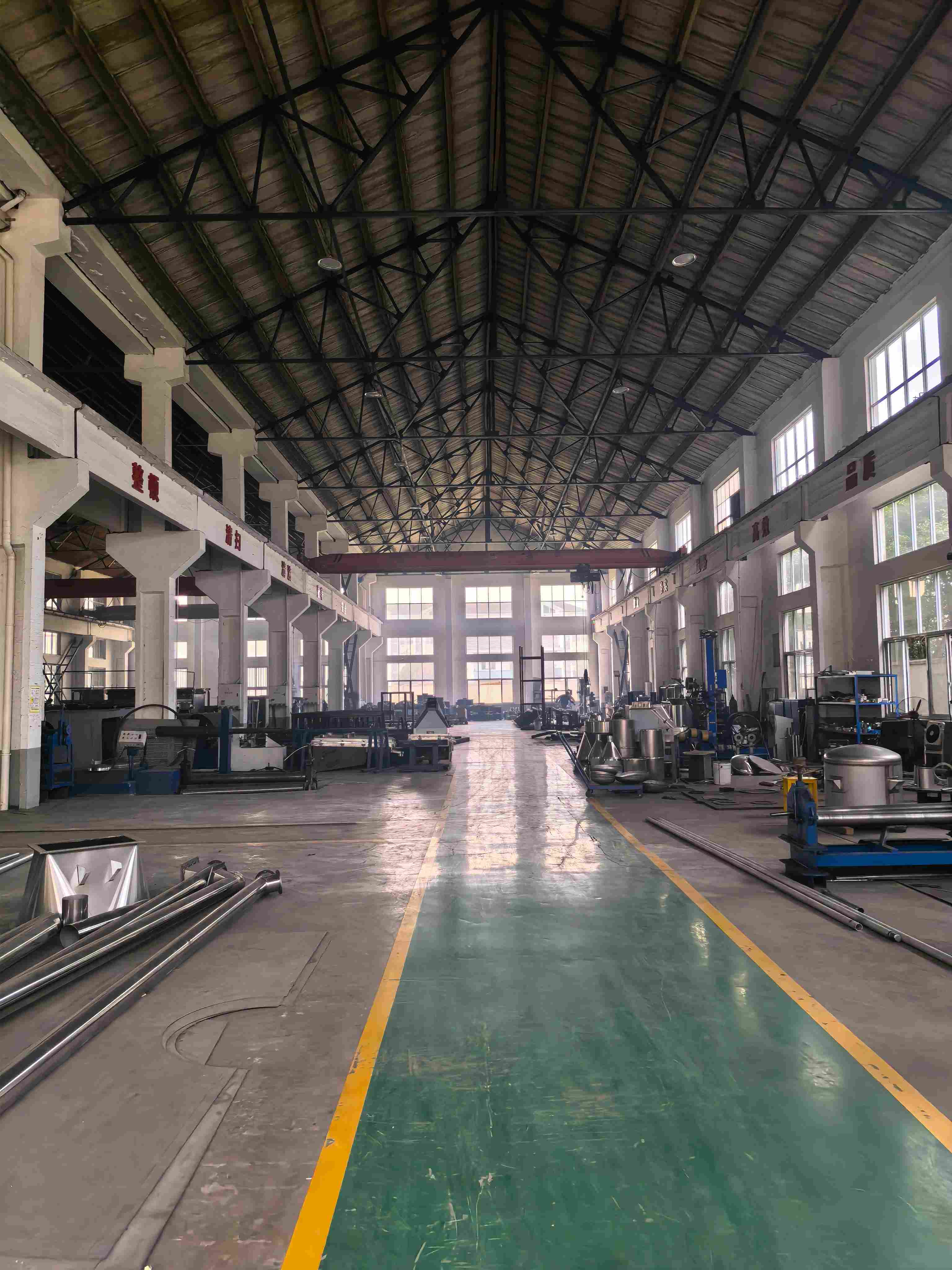
Smart conveyors are no longer just belts shuttling goods from point A to B—they're the silent workhorses of modern logistics, quietly redefining efficiency. By embedding sensors and real-time tracking, these systems map out the fastest route for every item without human intervention. Gone are the days of bottlenecks caused by manual sorting or mechanical jams; now, packages glide through warehouses with a kind of fluid choreography, shrinking turnaround times by double digits.
Beyond speed, the real financial magic lies in predictive upkeep. Instead of waiting for a motor to burn out during peak season, smart conveyors monitor their own health—vibration patterns, energy draw, bearing temperature—and flag issues weeks in advance. This shift from reactive repairs to proactive maintenance slashes unplanned downtime and stretches the lifespan of equipment, directly trimming operational expenses without sacrificing output.
Integration with broader automation ecosystems takes the impact further. When conveyors talk to robotic pickers and inventory databases, they adjust their pace on the fly, feeding workstations exactly what they need, when they need it. The result isn’t just a faster line but a harmonious flow that maximizes throughput from dock to dispatch, turning capital-intensive upgrades into rapid payback investments that quietly revolutionize the bottom line.
The Shift Towards Modular Conveyor Designs for Flexible Manufacturing
For years, production lines were built around rigid, custom-engineered conveyor systems that handled high volumes of identical parts. When product designs changed or demand shifted, retooling meant significant downtime and expense. The move toward modular conveyor designs changes that dynamic by allowing facilities to reconfigure layouts with standard, interchangeable modules. These systems snap together quickly, letting manufacturers add, remove, or reroute sections without welding or extensive engineering support. The result is a conveyor network that adapts alongside product lifecycles rather than forcing production to fit a fixed path.
Modularity also simplifies maintenance and future upgrades. Instead of replacing an entire line when a drive unit fails or a new function is needed, a single module can be swapped out in minutes. This plug-and-play approach supports mixed-model assembly and scalable throughput, matching the realities of high-mix, low-volume production. As flexible manufacturing becomes a baseline expectation, modular conveyors provide the physical backbone for agile operations without locking companies into oversized, single-purpose investments.
Energy-Efficient Conveying: Reducing Carbon Footprints in Logistics Hubs
Conveyor systems are the circulatory backbone of any logistics hub, but their constant operation often comes with a hidden energy toll. By rethinking motor efficiency, idle management, and system layout, facilities can slash power consumption dramatically. Simple upgrades like installing variable frequency drives allow conveyors to adapt speed to real-time parcel flow, rather than running full throttle all day. This alone can cut energy use by up to 30% without sacrificing throughput.
Beyond hardware, smart software plays a pivotal role in trimming carbon output. Modern control algorithms can dynamically shut down sections of conveyors when no packages are present, or schedule maintenance to prevent energy-draining friction from worn components. These systems even integrate with warehouse management tools to route items along the most energy-favorable paths, avoiding peak-load bottlenecks that strain the grid.
The move toward energy-efficient conveying isn't just an operational tweak—it's a strategic lever for corporate sustainability targets. Every kilowatt-hour saved directly chips away at Scope 2 emissions, while also insulating hubs from fluctuating electricity costs. The ripple effect is tangible: a single large facility retrofitted with these measures can prevent hundreds of tonnes of CO₂ annually, making a compelling case for green logistics that goes well beyond PR.
Integration of AI and IoT in Modern Conveyor Monitoring Systems
Modern conveyor monitoring has evolved far beyond simple speed sensors and limit switches. By weaving artificial intelligence directly into the fabric of IoT-enabled monitoring systems, facilities gain the ability to not only track real-time operational data but also to interpret patterns that would otherwise remain hidden. Sensors distributed across belt drives, rollers, and tensioning stations stream temperature, vibration, and load metrics into cloud or edge platforms. AI engines then analyze this continuous feed, correlating subtle changes with historical failure signatures. The result is a shift from calendar-based maintenance schedules to truly predictive strategies, cutting unexpected stoppages and extending asset life.
What makes this integration particularly compelling is the feedback loop it creates. IoT devices collect granular field data; machine learning models process that data to detect anomalies or degradation trends; automated alerts or adjustment commands are sent back to the conveyor controls. For instance, a slight uptick in motor current draw combined with an acoustic pattern characteristic of misalignment can trigger an immediate speed reduction, preventing belt damage before a human operator even notices. This closed-loop system operates around the clock, learning from each event to sharpen its accuracy without manual tuning.
The practical impact goes beyond the conveyor belt itself. When integrated with broader facility management software, the AI-enhanced IoT network feeds insights that can synchronize material flow with production demands, reroute goods during peak periods, and even adjust energy consumption based on load forecasts. Instead of treating conveyors as isolated mechanical systems, this approach transforms them into intelligent nodes within a self-regulating supply chain, reducing waste, labor hours, and operational friction.
From Ports to Production Lines: China’s Breakthroughs in Heavy-Duty Conveyors
The shift from sprawling port terminals to tightly orchestrated production lines reveals a quiet but decisive transformation in China’s heavy-duty conveyor industry. Where once these systems were imported and adapted, local engineering teams now design integrated solutions that link ship-to-shore gantry cranes with fully automated warehouse sorting. The machines are bigger, smarter, and built to endure relentless cycles, moving iron ore, coal, and containers under conditions that would have stalled older equipment within months.
Breakthroughs in wear-resistant materials and real-time monitoring have pushed conveyor lifespans far beyond expectations. Self-lubricating rollers, embedded sensors that predict bearing failures, and splice techniques that nearly eliminate belt rips are no longer lab experiments—they are standard in the newest installations at facilities like Ningbo-Zhoushan and Tangshan. These innovations feed directly into factory floors, where just-in-time manufacturing now depends on conveyor networks that never sleep, delivering raw materials to blast furnaces or assembly cells with split-second timing.
Perhaps the most telling advance is in control: distributed drive systems with AI-based load balancing let a single operator oversee kilometers of belting that twist through multiple buildings and elevation changes. The energy savings alone are reshaping operational budgets, and the modular design means a line built for automotive stamping can be reconfigured for electronics assembly in days, not weeks. It’s this blend of brute strength and digital finesse that marks China’s move from follower to pacesetter in the world of heavy conveying.
FAQ
China has rapidly advanced conveying technology by integrating AI and IoT, creating systems that self-optimize in real time. Its massive manufacturing sector acted as a testing ground, pushing for innovations that slashed energy use by up to 30% in some automated warehouses.
The sheer scale of production combined with aggressive R&D investment allows Chinese firms to offer customized, modular systems at competitive prices. They excel at combining heavy-duty reliability with smart features like predictive maintenance, which few others match.
One striking innovation is the use of 5G-enabled autonomous mobile robots that work alongside traditional conveyors. These robots adapt to changing floor layouts without halting operations, dramatically increasing throughput in e-commerce fulfillment centers.
The main challenges include navigating fragmented industry standards across provinces and dealing with trade barriers that limit access to cutting-edge chips. However, domestic producers are responding by developing proprietary control systems that bypass those dependencies.
Sustainability demands have led to breakthroughs like regenerative braking in conveyor motors, which feed energy back into the grid. New materials like carbon-fiber-reinforced belts also reduce friction and extend service intervals, aligning with carbon neutrality goals.
Chinese firms are increasingly winning contracts in Europe and the Americas by offering full-system integration rather than just hardware. They dispatch teams to co-design solutions on-site, blending local operational know-how with their own cost-efficient manufacturing.
Conclusion
The landscape of industrial logistics is undergoing a profound transformation, driven by advances in conveying systems that prioritize speed, adaptability, and environmental responsibility. China has emerged as a central force in this shift, pioneering next-gen conveyor solutions that streamline global supply chains by ensuring reliable, continuous material movement. Automation lies at the heart of these gains: smart conveyors equipped with sensors and real-time controls slash operational costs while significantly boosting throughput. Meanwhile, the adoption of modular designs allows manufacturers to reconfigure production layouts swiftly, keeping pace with fluctuating market demands. Complementing these trends, energy-efficient conveying technologies are being deployed across logistics hubs to lower carbon emissions, demonstrating that industrial progress and sustainability can go hand in hand.
A standout development is the integration of AI and IoT into conveyor monitoring systems, enabling predictive analytics that minimize downtime and optimize performance. Chinese firms have been instrumental in embedding these intelligent features, making conveyors not just transport mechanisms but data-driven assets. This expertise extends to heavy-duty applications, where breakthroughs in material engineering and drive systems allow Chinese conveyors to handle extreme loads in ports and production lines with unprecedented reliability. By combining smart software with rugged hardware, China is setting new benchmarks for efficiency, safety, and scalability. As global industries strive for more resilient logistics networks, China’s role as an innovator and supplier continues to strengthen, shaping a future where conveying systems are the backbone of agile, sustainable supply chains.
Contact Us
Contact Person: Darye WANG
Email: [email protected]
Tel/WhatsApp: 86-13501017897
Website: https://www.fcntd.com/