
Dust Collector Fabrication: Expert Tips for Efficient Air Filtration Systems
2026-04-03
In the world of industrial manufacturing, clean air isn't just a luxury—it's a necessity. From automotive workshops to pharmaceutical plants, efficient air filtration systems are the silent guardians that protect both machinery and human health. Yet, designing and fabricating a dust collector that truly delivers can be a complex puzzle, filled with hidden challenges and critical decisions.
At Fanchang Machinery, we've spent decades refining the art of dust collector fabrication, transforming raw materials into high-performance filtration solutions. Whether you're battling fine particulates in a woodshop or managing abrasive dust in a foundry, the right system can mean the difference between smooth operations and costly downtime.
In this blog post, we'll dive into expert tips that go beyond the basics—covering everything from material selection and component integration to real-world performance tuning. You'll discover how subtle design choices impact longevity, why airflow dynamics matter more than you think, and what separates a good dust collector from a game-changing one. Let's explore how precision engineering meets practical wisdom to create air filtration systems that don't just meet standards, but set them.
Key Materials and Construction Techniques for High-Performance Dust Collector Fabrication
In fabricating high-performance dust collectors, material selection often hinges on the balance between durability and efficiency. Advanced filtration media include specialized polymers like PTFE-coated fabrics, which offer superior resistance to abrasion and chemical degradation, ensuring longevity in harsh industrial environments. By integrating these materials, dust collectors can maintain consistent performance even under fluctuating operational conditions, minimizing downtime and maintenance costs.
Construction techniques significantly influence the effectiveness of dust collectors, with precision welding and modular assembly being critical. For instance, using laser cutting and automated sealing during fabrication enhances structural integrity and prevents air leaks, which are common weak points. This attention to detail in the building process not only boosts filtration but also extends the equipment's life, making it more reliable over time.
Innovations in design, such as incorporating pleated filter elements or adjustable airflow systems, set high-performance units apart by optimizing particle capture and energy use. These features, combined with robust materials and meticulous construction, result in dust collectors that handle diverse particulate loads efficiently, meeting stringent environmental standards and operational demands without compromise.
Optimizing Airflow Dynamics to Maximize Filtration Efficiency in Industrial Settings
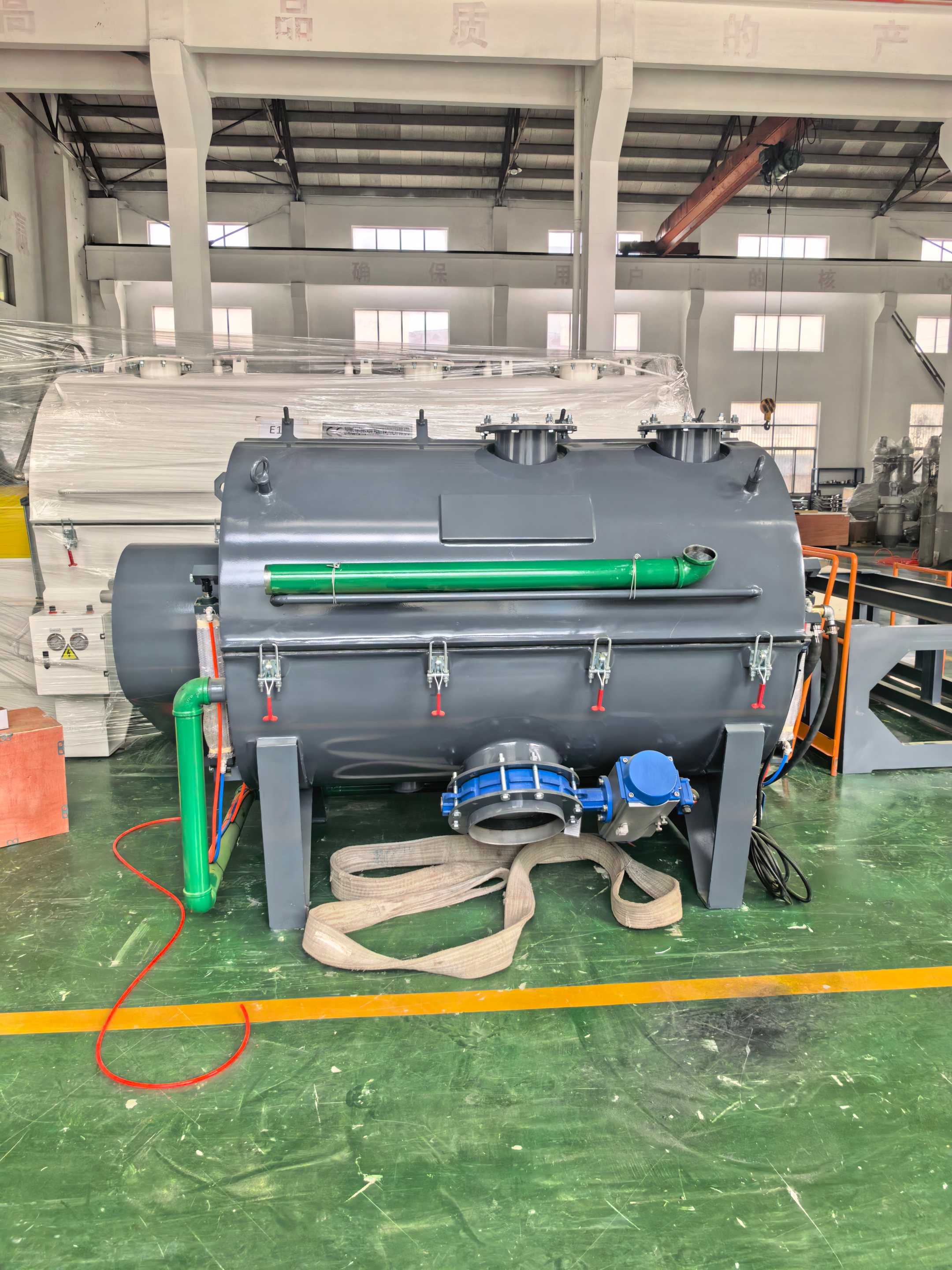
When it comes to industrial air filtration, many operations focus solely on the filter material or replacement schedules. But there's a crucial, often overlooked piece of the puzzle: how the air moves through the system itself. Imagine a filter as a gatekeeper—if the incoming crowd (air) is chaotic and pushes unevenly against the gate, some spots get overwhelmed while others remain unused. Optimizing airflow dynamics is essentially about orchestrating that crowd to ensure it approaches the filter in a smooth, even, and controlled manner. This isn't just a tweak; it's a fundamental shift that can dramatically extend filter life, reduce energy consumption, and, most importantly, capture more contaminants. It starts with understanding the unique layout of your facility, the placement of intake vents, and the path air travels before it even reaches the filtration unit.
Practical steps often involve computational fluid dynamics (CFD) simulations to visualize invisible airflow patterns. These models can reveal dead zones where particulates settle instead of being captured, or turbulent areas that force filters to work harder. Based on these insights, adjustments might include installing strategic baffles or air guides to straighten flow, repositioning equipment to prevent blockages, or modifying ductwork geometry to reduce resistance. In one case study from a metalworking plant, simply redesigning the plenum chamber to ensure a more uniform velocity profile across the filter media led to a 30% drop in pressure differential and a 40% increase in time between filter changes. The key takeaway? The filter is only as good as the air delivered to it.
Beyond the immediate hardware adjustments, this approach fosters a more holistic view of industrial air quality management. It encourages regular monitoring of airflow metrics, not just particulate counts, and integrates filtration into the broader context of HVAC and process ventilation systems. By prioritizing airflow optimization, facilities can achieve a quieter, more energy-efficient operation that consistently meets stringent environmental and safety standards, turning a maintenance routine into a strategic advantage.
Innovative Fabrication Methods for Durable and Low-Maintenance Filter Components
Modern filtration systems are increasingly reliant on advanced fabrication techniques that prioritize durability and ease of upkeep. One standout approach is additive manufacturing, which allows for the creation of complex filter geometries with integrated self-cleaning mechanisms. This method reduces maintenance frequency by minimizing clogging points, while materials like high-grade polymers or ceramics enhance resistance to wear and corrosion in harsh environments.
Another emerging strategy involves hybrid fabrication, combining traditional methods with novel surface treatments. For instance, applying nanocoatings through plasma-enhanced chemical vapor deposition can significantly boost filter longevity by repelling contaminants and reducing adhesion. These coatings are tailored to specific applications, whether for industrial air purification or water treatment systems, ensuring filters maintain peak performance with minimal intervention over extended periods.
Innovations in material science also play a key role, with the development of smart fabrics that adapt to changing conditions. Filters made from shape-memory alloys or responsive polymers can dynamically adjust pore sizes to optimize filtration efficiency without manual adjustments, further cutting maintenance needs. These methods not only extend component lifespans but also contribute to energy savings and overall system reliability in diverse settings.
Integrating Smart Controls and Monitoring Systems to Enhance Operational Efficiency
Integrating smart controls and monitoring systems can transform how organizations manage their operations by providing real-time insights and automation capabilities. Instead of relying on manual checks and reactive measures, businesses can proactively track performance metrics, energy usage, and equipment health through connected sensors and intelligent software. This seamless connectivity allows for dynamic adjustments that reduce downtime, optimize resource allocation, and improve overall productivity, making operations more agile and responsive to changing conditions.
Beyond basic monitoring, advanced analytics and machine learning algorithms can predict potential issues before they escalate, enabling preventive maintenance that avoids costly disruptions. By centralizing data from various sources into a unified dashboard, decision-makers gain a holistic view of operations, facilitating informed choices that streamline workflows and cut unnecessary expenses. Such integrations often lead to significant energy savings and waste reduction, as systems self-adjust to peak efficiency without constant human intervention, fostering a more sustainable operational model.
In practice, the implementation of these systems fosters a culture of continuous improvement, where feedback loops from smart devices drive iterative enhancements. For instance, in manufacturing or facility management, real-time alerts and automated controls can fine-tune environmental conditions or production lines on the fly, boosting output quality and employee safety. This competitive edge not only enhances day-to-day operations but also positions organizations to adapt quickly to market shifts, ensuring long-term resilience and growth in an increasingly digital landscape.
Customized Fabrication Solutions for Diverse Industrial Applications and Environments
In industries where one-size-fits-all approaches fall short, customized fabrication solutions emerge as a game-changer, tailored precisely to meet the unique demands of various applications and environments. From automotive manufacturing to aerospace, these bespoke services ensure that components and systems are engineered for optimal performance, durability, and efficiency. By leveraging advanced materials and precision techniques, companies can address specific challenges such as extreme temperatures, corrosive conditions, or high-stress loads, ultimately enhancing productivity and reducing downtime.
Beyond mere customization, these solutions foster innovation by integrating cutting-edge technologies like additive manufacturing and robotics. This adaptability allows for rapid prototyping and scalable production, enabling businesses to respond swiftly to market shifts and emerging needs. Whether in harsh offshore oil rigs or cleanroom pharmaceutical facilities, tailored fabrication not only meets but exceeds regulatory standards, ensuring compliance and safety across diverse settings.
By partnering with expert fabricators, industries can unlock new possibilities, transforming complex requirements into practical, cost-effective outcomes. This collaborative approach drives progress, making customized fabrication a cornerstone for sustainable growth and competitive advantage in today's dynamic industrial landscape.
Best Practices for Ensuring Long-Term Reliability and Compliance in Air Filtration Systems
Maintaining top performance in air filtration systems requires a proactive strategy that blends regular oversight with smart preventative maintenance. Start by developing a detailed schedule for inspections, which should include visual checks for physical damage and monitoring pressure differentials to catch clogs early. Don't overlook the importance of keeping thorough records—tracking filter changes, cleaning cycles, and any anomalies helps spot trends and ensures you're ready for audits. Using high-quality filters from reputable manufacturers can also make a big difference in how long your system runs smoothly and meets air quality targets.
To stay compliant with ever-evolving regulations, it's essential to stay informed about local and industry-specific standards, such as those from OSHA or ASHRAE. Regularly review and update your maintenance protocols to align with these requirements, and consider conducting training sessions for staff to ensure everyone understands their role in upholding compliance. Integrating smart sensors and monitoring technology can provide real-time data on air quality and system efficiency, making it easier to address issues before they escalate and demonstrate adherence to standards during inspections.
For a standout approach, think beyond basic checks by customizing your maintenance plan based on environmental factors and facility usage patterns. In high-humidity settings, for example, prioritize moisture control to prevent mold growth, while in industrial areas, focus on handling particulate matter effectively. Partnering with experts for annual reviews can offer fresh insights and help tailor strategies to your specific needs, ensuring both reliability and regulatory alignment are maintained over the long haul.
FAQ
Focus on selecting the right filter media based on dust type and temperature, ensuring proper airflow and pressure drop calculations, and designing for easy maintenance access to optimize efficiency and longevity.
Regularly inspect and clean filters to prevent clogging, use variable frequency drives on fans to adjust airflow as needed, and ensure ductwork is properly sealed to minimize energy waste and operational costs.
Avoid using incorrect materials for corrosive environments, neglecting safety features like explosion vents, and skipping proper testing and commissioning phases, which can lead to system failures or hazards.
Proper maintenance prevents dust buildup that reduces airflow and efficiency, extends filter life to save on replacement costs, and ensures compliance with environmental regulations by maintaining effective particulate removal.
Advances include smart sensors for real-time monitoring of pressure and airflow, modular designs for scalability, and improved filter materials that enhance durability and filtration performance in various industrial settings.
Consult with experts to understand applicable standards like OSHA or EPA guidelines, conduct thorough design reviews and testing, and document all fabrication processes to verify compliance and avoid legal issues.
Airflow balance is critical for uniform dust capture across all collection points, preventing overloading in some areas and maintaining system efficiency by optimizing fan performance and reducing wear on components.
Implement acoustic insulation on ducts and enclosures, use silencers on fans, and consider placement away from sensitive areas to minimize noise pollution while maintaining system effectiveness.
Conclusion
Crafting effective dust collectors for industrial air filtration requires a multifaceted approach that begins with selecting premium materials and employing advanced construction techniques. By focusing on high-performance fabrication, manufacturers can create robust systems capable of handling diverse particulate loads, from fine powders to coarse debris, ensuring durability and minimal maintenance. Integrating innovative methods in component design, such as reinforced filter media and corrosion-resistant casings, enhances longevity and reduces operational downtime. This foundational work sets the stage for optimal airflow dynamics, where precise engineering minimizes turbulence and maximizes particle capture efficiency, crucial for maintaining clean air in demanding environments like manufacturing plants and woodworking facilities.
To elevate performance further, smart controls and monitoring systems can be seamlessly incorporated, allowing real-time adjustments based on air quality data and operational demands. This intelligent integration supports customized solutions tailored to specific industrial applications, whether in chemical processing or metal fabrication, ensuring compliance with stringent environmental regulations. By adopting best practices for reliability, such as regular inspections and adaptive fabrication techniques, businesses can achieve long-term efficiency and safety. Ultimately, expert tips in dust collector fabrication converge on a holistic strategy that balances advanced materials, dynamic design, and smart technology to deliver air filtration systems that are both highly effective and sustainable in varied settings.
Contact Us
Contact Person: Darye WANG
Email: [email protected]
Tel/WhatsApp: 86-13501017897
Website: https://www.fcntd.com/